JAL Engineering Co., Ltd.

JP | EN
JP | EN

Staff MessageVoices of Our Employees

Line Maintenance

SAITO Koji

Line Maintenance Department
Aircraft Maintenance Center, Haneda
What kind of work is line maintenance?
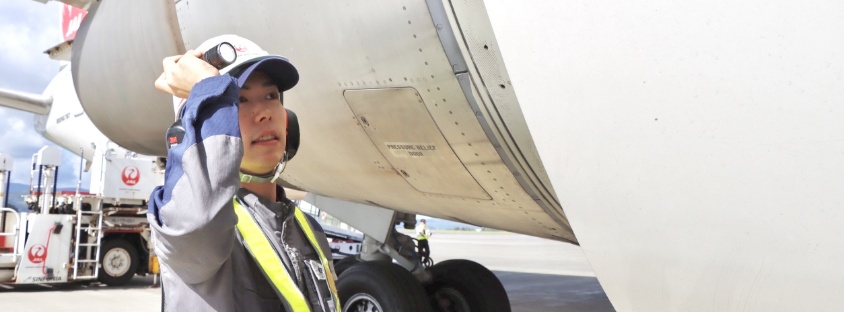
Line maintenance is broadly divided into two types. One is turnaround maintenance, which involves confirming aircraft functions and correcting any issues that occurred during flight in the time between arrival and departure at the airport. The other is arrival maintenance performed on aircraft that have operated throughout the day and must be completed before the next day's departure. Specifically, this includes tasks such as replenishing engine oil and replacing tires. In both cases, the departure times are fixed, so the work is stressful from time pressure. Precisely because of that, it is work that brings a sense of pride and fulfillment as it directly upholds operational safety.
Is there any maintenance work that left a lasting impression on you?
I have worked in base maintenance, hub airport maintenance, and turnaround maintenance, and I have many memories in each workplace. While knowledge about aircraft is important in maintenance work, even more crucial is the total years of experience. In my case, it would be my work at hub airport maintenance. With limited personnel and maintenance equipment, we had to restore aircrafts from malfunctions within an allotted time and send off the aircraft on schedule carrying many customers. This sense of accomplishment is something that only those who have experienced it can feel. Moreover, beyond that, it is simply impossible to provide customers with flights that are safe with a peace of mind, unless everyone, from the cockpit crew to cabin attendants and employees working in Operations Control, Customer Services, Cargo, among others, must work as one. This sense of unity and sense of accomplishment are invaluable experiences that could only be gained at a hub airport.
A message to customers and students
JAL Engineering is a comprehensive engineering company that handles not only airframe maintenance but every aspect of the aircraft, such as engines and its components. There are many employees across a variety of workplaces, who are not directly involved in operations. However, we all work with a common purpose, which is the commitment to safe operations. All employees, who are not working directly on airframes, are involved in the maintenance of aircraft, engines, and components. Everyone consistently performs their duties being constantly aware of maintaining safe operations for our customers to fly with a peace of mind.

UMINO Kazuki

Line Maintenance Department
Aircraft Maintenance Center, Narita
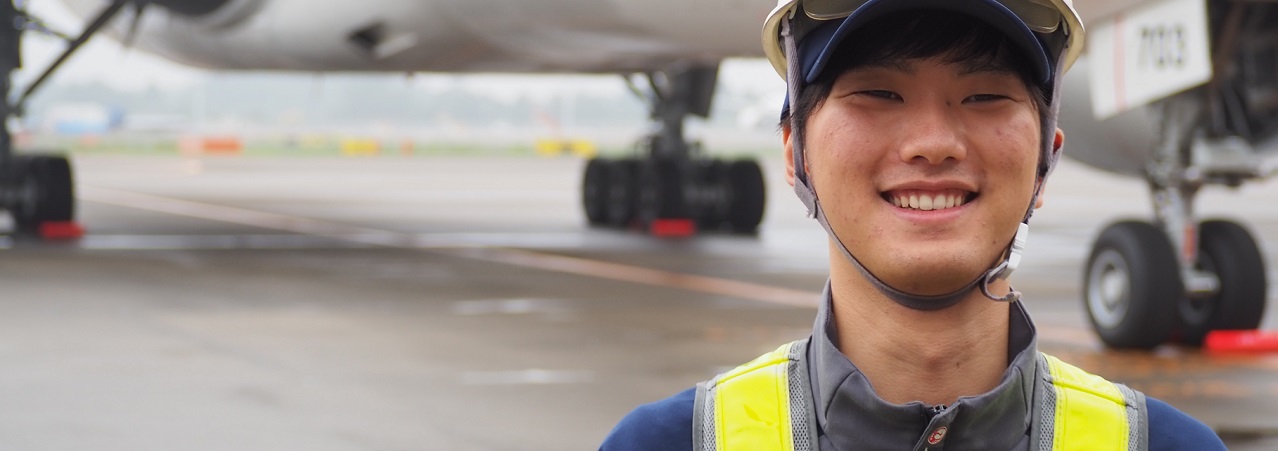
What inspired you to become a maintenance engineer?
My interest in aircraft began when I was eight years old when our class visited an airline maintenance factory. I still vividly remember thinking, "Airplanes are so cool! I want to be a maintenance engineer working close to these airplanes!" Later, when I was in high school, I attended a career seminar. Maintenance was not listed as one of the professions, but the organizer kindly took the time to explain maintenance work. I clearly remember the moment when I decided to become a JAL maintenance engineer.
Please describe your workplace.
It is a workplace where everyone can communicate regardless of age or experience. This free flow communication results in better every day work quality. I truly believe that this leads to improved equipment efficiency and a nonending delivery of safe and secure aircrafts. The hands-on educational approach of "learn by doing," provides opportunities for younger staff to take on various tasks. The seasoned engineers are totally supportive of the newcomers but, at times, may give strict guidance, knowing when to push and pull.
What are your future goals?
I am currently studying hard to obtain the national qualification of First-Class Aircraft Maintenance Engineer for Boeing 767. Earning the qualification takes about two years and requires passing rigorous exams in both knowledge and skill, which can be mentally and physically demanding. I am studying for the exams with the support from my colleagues. After obtaining this first-class certificate, I want to acquire more qualifications for different aircrafts. I aim to gain more experience, polish my skills not only as an engineer but also my character, broaden my horizons, and work as a maintenance engineer at an overseas hub airport.

SUZUKI Yukinori

Japan Airlines Co., Ltd.
San Francisco Branch
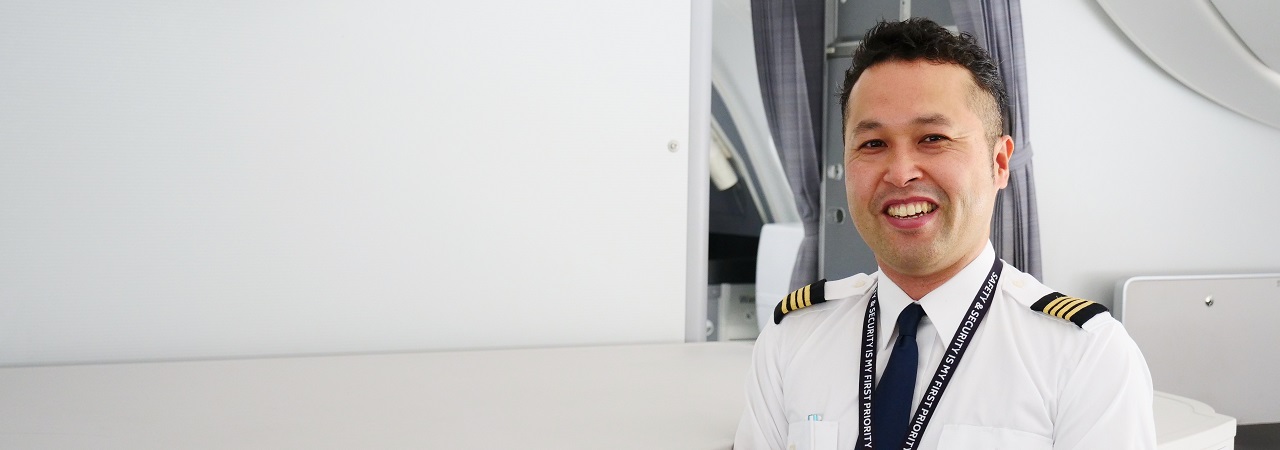
What does your work at an overseas hub airport involve?
Our main duties at San Francisco Airport, include turnaround maintenance from aircraft arrival to departure, managing local contractors involved in JAL flight operations, and managing aircraft parts and equipment held within the hub. To maintain JAL's high maintenance quality in an environment that differs from Japan, we need to communicate JAL's corporate culture and work practices to contractor staff while, at the same time, learn new culture and customs as we carry out our duties. By re-recognizing our differences, we can reassess our own attitudes and approaches to work and broaden our perspectives. I feel that one of the greatest attractions of working at an overseas hub airport is this environment, where we can learn to be flexible and diverse.
What did you do to pursue your goals?
When I was in my low teens, I was influenced by a friend, who loved airplanes, and decided to pursue a career as a maintenance engineer. I studied mechanical engineering at university, then went to Seattle to major in aircraft maintenance. The biggest challenge was to qualify as a First-Class Aircraft Maintenance Engineer after joining JAL Engineering. Because our work involves safeguarding customers' lives, the requirements for maintenance engineers are extremely strict and demands advanced expertise. It was difficult to find time to study while I was working. Because I studied in Seattle, I took English classes before work as I wanted to work overseas.
A message to customers and students
The maintenance engineers at JAL Engineering work globally, day and night, behind the scenes, to deliver high-quality aircraft that support safe skies and comfortable travel for everyone. During your flight, please relax and enjoy your journey with peace of mind. JAL Engineering is also an ideal place for those interested in airplanes and cutting-edge technology. Just imagine where you want to be in five or ten years. Work daily towards your concrete goals so you can seize opportunities when they arise. You will find an environment where you can fully demonstrate your abilities. We look forward to meeting you in the future.

SHIRAI Hiroya

Asahikawa Airport Maintenance Office
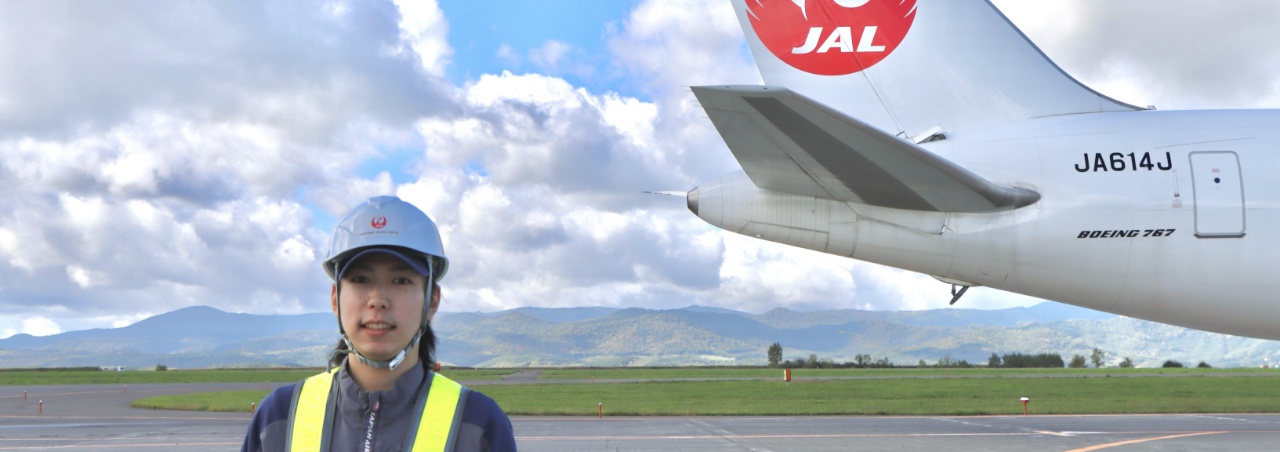
What inspired you to become a maintenance engineer?
Growing up in an environment where aircraft flew overhead, aircraft were always a familiar presence to me from a young age. In middle school, I had the opportunity to visit a nearby airport for a field trip, and seeing the maintenance engineers earnestly explaining their work about aircraft and aviation maintenance, I remember deciding that I wanted to become an aviation maintenance engineer. I then enrolled in an aviation technical school and was attracted by the scope of JAL Engineering's operations, which cover everything from line maintenance and base maintenance to component and engine maintenance, all in one company. Even now, after joining, I feel that the strength of cooperation between divisions is one of our greatest assets.
Please describe your workplace.
It is a workplace where everyone, regardless of age or position, can speak up assertively. By sharing observations and having confirmation conversations as a matter of routine, I feel that we are able to provide safe and reliable aircraft as an organization, not just as individuals. I also feel that the workplace actively gives younger staff maintenance opportunities and is enthusiastic about improving the technical skills of the entire team. Hub airport work also involves duties beyond aircraft maintenance, such as departmental cost management and certified facility maintenance tasks, which means I can gain broad work experience beyond just aircraft maintenance.
What are your future goals?
I am currently accumulating daily experience toward obtaining the Line Verification Supervisor qualification, which allows me to sign off on the aircraft's airworthiness log. In the future, I hope to become an engineer who can make decisions from multiple perspectives, not just maintenance skills, through my hub airport experience. Aircraft also continue to evolve with the times. By expanding my First-Class Aircraft Maintenance Engineer qualification, I aim to build up my knowledge and skills, be posted to an overseas hub in the Americas or Europe, and experience aircraft maintenance not only in Japan but throughout the world.